
A Guide to Newcastle's Most Common Roof Types (and Their Weak Spots)
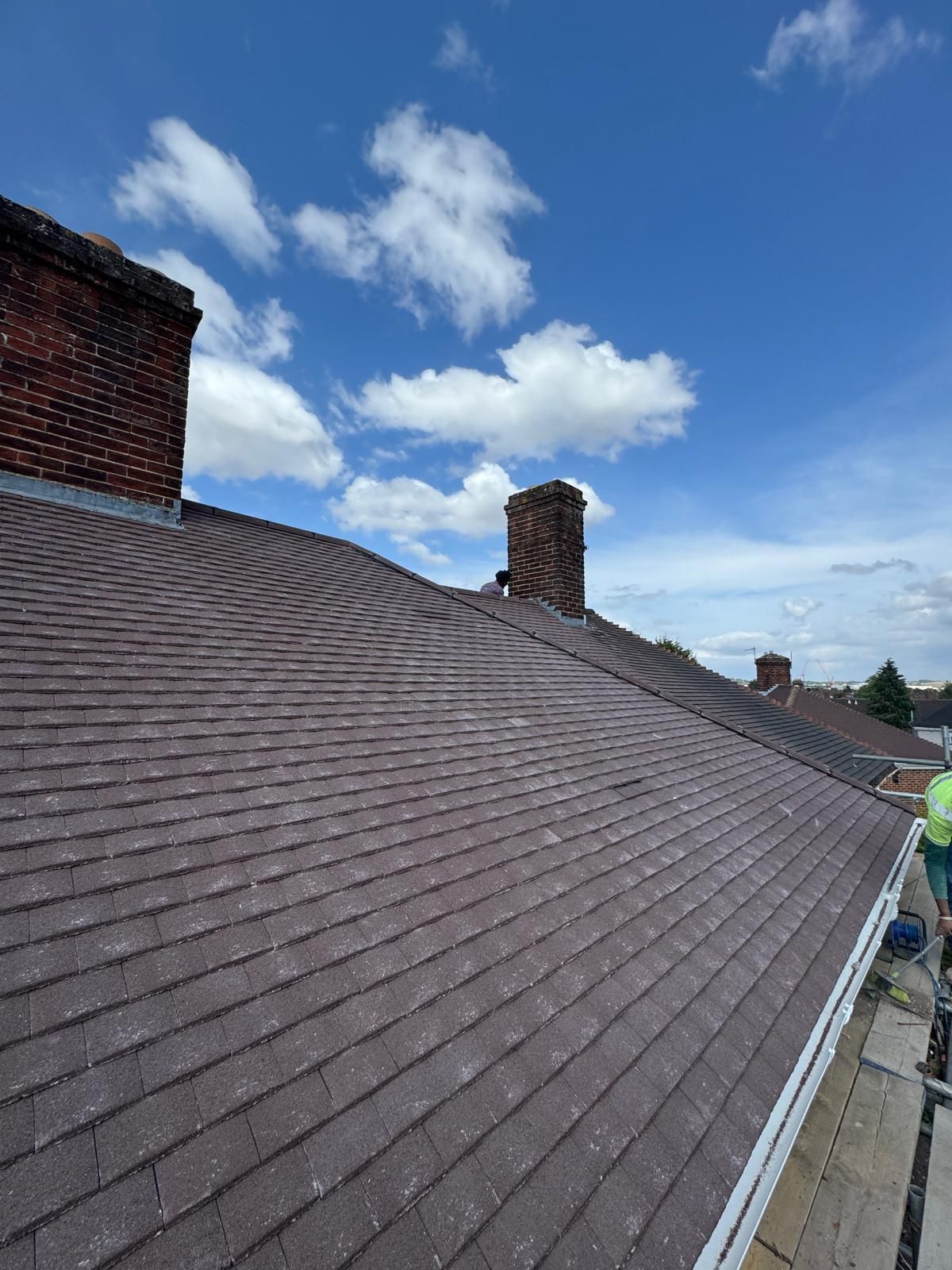
Common Roof Types in Newcastle
In Newcastle, you can find a mixture of semi-detached houses, modern properties and traditional terraced houses. Local weather can be an issue and you can often expect, rain, wind and very cold winters which will all have an effect on your roof. There are different kinds of roofs and depending on what you have, the lifespan and maintenance will vary. If you have a better understanding of these weak spots, as a homeowner, you can avoid costly repairs. If you can identify small problems early on with regular inspections, your roof will last longer.
Slate
Roofs – Durable but Can Slip Over Time
Slate roofs are common in the area, especially on older properties or period homes. It is naturally long-lasting and also weather resistant making it a popular choice. There are however downsides. Sometimes, individual slates can become lose as a result of strong winds or age. The tiles are fastened with nails and these can weaken with time which can cause the tiles to slip. Also, the underlay will not last forever and over time will deteriorate.
Clay Tile Roofs – Traditional Appearance
Roofs made with clay tiles are frequently seen in the region on Newcastle. They are very strong and resistant to the bad weather. However, they do have som disadvantages. Frost can cause them to crack and the damp conditions can mean that moss will grow freely. It is important to pay attention to the ridge tiles as they need repointing from time to time.
Concrete Tile Roofs – Cost Effective Option
On more recent housing developments, concrete tiles have become a popular choice because of the fact that they are readily available and a durable option. One downside is that they may discolour over time and they can also become porous as they age.
Flat Roofs – Common on Extensions
Flat roofs are most commonly found on house extensions and on garages. The materials that are frequently used are fibreglass, rubber and felt. Having effective drainage is paramount to prevent water from building up. This kind of roof may have a limited lifespan and the quality of the material and the installation will dictate this.
Roof Junctions and Flashing – Key Risk Areas
There are risks with regard to roof junctions and flashing. The lead flashing is used to protect around vents and and chimneys and over time it may loosen. If the sealing is faulty water may be able to enter making joints often the first area to develop leaks and lead to more complicated and expensive problems.
How Newcastle Weather Affects Roofs
Newcastle is known for having heavy rainfall which in turn increases the risk of moss and algae. You can expect high winds which may loosen your roof tiles. The cold temperatures in winter can cause cracks which will get worse over time and lead to bigger complications. Unfortunately, the damp climate can shorten the lifespan of the roof if not maintained regularly.
Signs Your Roof May Need Repair
To maintain your roof to a good standard, there are several things that you can do to avoid serious problems. It is important to check for missing or loose tiles and replace if needed. If you notice there are damp patches on the ceilings inside the property, there is certainly a problem with the roof. Checking for build up of moss and removing it will help to keep your roof in good order. Finally, checking for debris in your gutters will ensure excess water can be directed away from your property.
Conclusion
To conclude, Newcastle properties have different kinds of roofs, each has advantages and disadvantages. Whatever roof you have, regular inspections will definitely help to prevent major repairs and costly problems. If you do notice issues, they can often be fixed relatively simply if addressed quickly. Roofing companies will carry out efficient maintenance which is well worth considering to extend the lifespan of your roof.
Ready to work with us?
We're here to help. Give us a call on 01264 554568 or fill out our short form below.